





Moving is always a monumental task, but when your destination is one of the iconic century homes in Webster Groves, the typical move-in cleaning checklist simply doesn't apply. This community is defined by its deep appreciation for architectural preservation, and preparing these delicate, historical structures for new inhabitants—or saying goodbye to them—requires a specific type of expertise. If you are handling a real estate closing for a historic property, standard cleaning methods can often do more harm than good. Here is an inside look at the unique idiosyncrasies you will encounter and how to preserve their value during the move.
The Lath and Plaster Reality
Unlike modern drywall, the walls in a historic Webster Groves home are built with lath and plaster. This gives them a beautiful, hand-troweled texture and incredible soundproofing properties, but they are incredibly fragile. During a move, extra care must be taken with heavy furniture to avoid cracking the plaster. When it comes to cleaning, avoid aggressive scrubbing or harsh, abrasive chemicals. Over-saturation is a primary enemy of plaster; always use a lightly damp microfiber cloth to gently remove scuffs, and never use steam, which can cause the plaster layers to delaminate from the wood lath.
Revitalizing Original Millwork
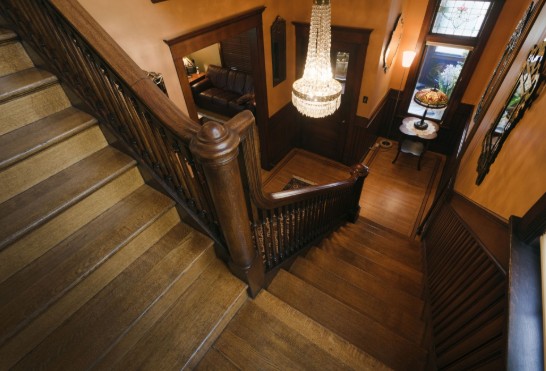
Webster Groves is famous for its intricate, often unpainted millwork—think massive baseboards, deep window casings, and intricate ceiling beams. Decades of life can leave these surfaces covered in a layer of fine, dulling grime. Standard furniture polish will often build up and create a sticky, dust-attracting haze.
We recommend a deep-cleaning strategy that begins with a comprehensive, low-moisture dusting. Following that, use a specialized wood cleaner with a balanced pH (like Murphy's Oil Soap, applied with an extremely light touch). Focus on the intricate profiles of the molding, carefully lifting the dust without stripping the aged patina that defines the wood's character.
The Depths of Historic Registers
For a truly thorough move-out, you have to look down. Many original Webster Groves homes utilize historic deep floor registers. These aren't just decorative; they connect directly to original air handlers. Over decades, these registers become deep traps for fine dust, pet dander, and forgotten debris. Standard vacuums often cannot reach the bottom of these historic grates. This level of detailing requires specialized narrow-profile extensions and agitating tools to truly extract the settled micro-dust and reset the home's indoor air quality for the new owners.
Navigating the Stone Foundation
Perhaps the most common anxiety for historic homeowners is the basement. Stone and mortar foundations (common in St. Louis prior to the widespread use of poured concrete) are inherently damp and porous. They are meant to breathe, but this also makes them a magnet for efflorescence (white mineral powder) and mildew.
Attempting to "pressure wash" or vigorously scrub this delicate mortar is a massive mistake, potentially leading to structural deterioration. Instead, the focus must be on careful, localized cleaning using gentle biocides and strategic ventilation to reduce humidity. For a move-out, it's about making the space feel sanitized, secure, and ready for inspection.
Trust the Local Experts
Preserving the character of a Webster Groves home requires more than just good intentions; it demands an understanding of historic building science. At Mrs Sparkle Cleaning Co, we specialize in the meticulous care these treasured St. Louis properties deserve. We are based in St. Louis, and our deep roots in the community mean we approach every historic cleaning with respect and preservation-grade detailing.
Schedule your historic home move cleaning today